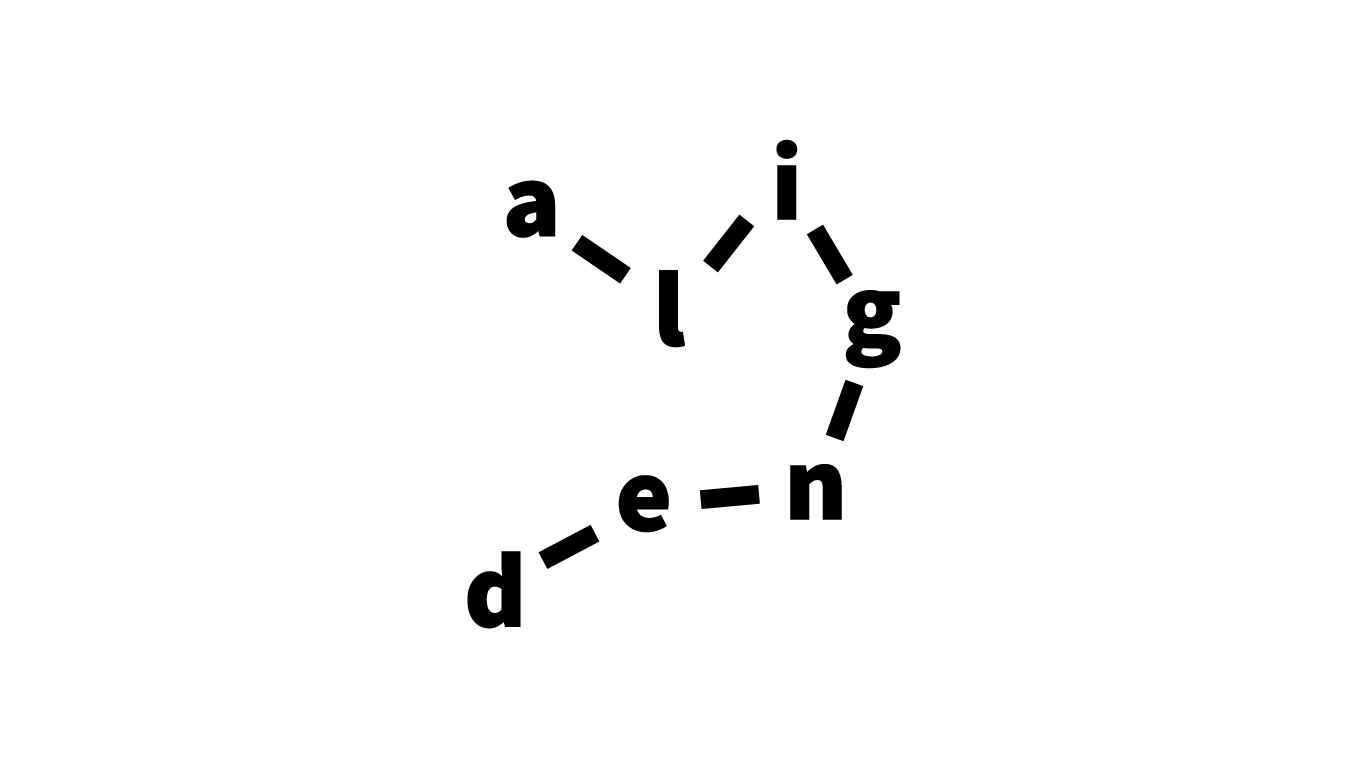
Understanding Self-Abandonment: Why You Leave Yourself Before Others Do
Self-abandonment is a relational pattern where a person suppresses their needs, emotions, or truth to preserve connection or avoid perceived loss. It often develops through people-pleasing, over-adaptation, and nervous system survival strategies. Understanding self-abandonment helps explain why people disconnect from themselves long before relationships actually end.

What is self-abandonment and why does it happen?
Self-abandonment doesn’t usually look like neglect or chaos.
It looks like being reasonable.
Understanding.
Capable.
Low-maintenance.
It’s the quiet habit of leaving yourself just early enough that no one else has to.
Most people who self-abandon aren’t disconnected from themselves because they lack awareness.
They’re disconnected because connection once required adaptation — and the body remembers that.
Self-abandonment isn’t a flaw.
It’s a strategy that once worked.
Common signs of self-abandonment
• minimising your needs
• saying “it’s fine” when it isn’t
• anticipating others’ reactions
• softening or delaying truth
• feeling responsible for others’ comfort
• fatigue after connection
• loss of internal clarity
Signs of healthy self-connection
• checking in with your body before responding
• naming needs without apology
• tolerating mild relational discomfort
• fuller breath and groundedness
• boundaries without collapse
• honesty without urgency
• staying present with yourself
Self-abandonment is relational intelligence used for survival
Self-abandonment often develops in environments where staying connected mattered more than staying expressed.
You learned — implicitly — that:
• your needs complicated things
• your emotions affected others
• your truth created tension
• your presence required adjustment
So your system adapted.
You learned to scan before speaking.
To soften before asking.
To minimise before being seen.
This isn’t lack of self-esteem.
It’s attunement without protection.
Why the first sign of self-abandonment is somatic, not mental
Self-abandonment doesn’t begin with a decision.
It begins with a bodily shift.
You may notice:
• a tightening in your chest before you agree
• shallow breath when you say “it’s fine”
• tension in your jaw after a conversation
• fatigue that follows connection
• a quiet sense of shrinking
Your body registers the moment you step away from yourself — even if your mind justifies it.
Over time, if these signals are ignored, they become quieter.
Not because the truth disappears — but because it’s learned you won’t respond.
How self-abandonment masquerades as emotional maturity
Many people confuse self-abandonment with being evolved.
It sounds like:
“I’m just being understanding.”
“It’s not worth the conflict.”
“I can handle it.”
“They didn’t mean it that way.”
But emotional maturity does not require self-erasure.
If your calm consistently comes at the cost of your truth,
if your flexibility only bends one way,
if your understanding never includes yourself —
that’s not maturity.
That’s disappearance.
Why self-abandonment anticipates loss rather than avoids expression
Most people don’t abandon themselves because they don’t know what they feel.
They abandon themselves because they know — and fear the cost of naming it.
The nervous system asks:
What will happen if I stay with myself here?
If the answer — historically — was:
• disconnection
• withdrawal
• emotional overwhelm
• rejection
• being “too much”
Then self-abandonment becomes a way to pre-empt loss.
You leave first — quietly — to preserve the relationship.
How self-abandonment becomes an identity over time
When self-abandonment is repeated, it stops feeling like a choice and starts feeling like “who I am.”
You become known as:
• the stable one
• the easy one
• the flexible one
• the strong one
• the one who doesn’t need much
And stepping out of that role can feel more destabilising than staying in it.
Your system asks:
If I stop doing this… will I still belong?
This is why change feels risky — not because you’re afraid of truth, but because you’re afraid of losing connection.
The long-term cost of leaving yourself early
The truth you don’t honour doesn’t disappear.
It shows up later as:
• resentment
• numbness
• fatigue
• loss of desire
• withdrawal
• chronic doubt
• a sense of living slightly off-centre
Self-abandonment trades short-term harmony for long-term disconnection.
And eventually, the body asks for repair.
Recognising self-abandonment as an act of self-trust
You don’t stop self-abandoning by forcing boundaries or becoming confrontational.
You stop by noticing — early and without judgment.
Start here:
• Where did I override myself today?
• What did my body signal that I didn’t follow?
• Where did I say yes without checking in?
• What truth did I soften or delay?
Recognition is not self-criticism.
It’s orientation.
Each moment of noticing brings you back into relationship with yourself.
Returning to yourself as a gradual somatic process
Coming back doesn’t mean swinging into rigidity or self-protection.
It means learning to stay — internally — when honesty arises.
This looks like:
• pausing before responding
• letting the breath settle before agreeing
• naming small truths first
• tolerating mild discomfort
• allowing others to adjust
• trusting that connection can stretch
You don’t reclaim yourself all at once.
You return in increments.
When self-abandonment ends: staying and still belonging
The nervous system doesn’t stop self-abandoning because you understand it.
It stops when it learns a new outcome:
I can stay with myself — and the relationship doesn’t end.
This learning happens through lived experience, not insight alone.
FAQ
What does self-abandonment mean?
Self-abandonment is the habit of overriding your needs, emotions, or truth to preserve connection or avoid perceived loss.
Is self-abandonment the same as low self-worth?
No. Self-abandonment is often a nervous-system survival strategy developed through early relational adaptation.
Why do people self-abandon in relationships?
Because their system learned that honesty, needs, or expression once threatened connection or safety.
How do you stop self-abandoning?
By recognising it early, rebuilding nervous system safety, and learning to stay present with yourself in relationship rather than disappearing.
I work with individuals navigating people-pleasing, self-abandonment, emotional boundaries, and nervous system safety through trauma-informed, somatic approaches.
If You’re Ready to Stop Leaving Yourself Quietly
Explore The Grounding — a 6-session somatic process designed to help you:
• recognise self-abandonment early
• rebuild nervous system safety
• strengthen self-trust
• set boundaries without rupture
• stay present without disappearing
You don’t need to become more assertive.
You need to feel safe enough to stay.
