
The Exhaustion That Rest Doesn't Fix
You've tried rest. Sleep. Vacations. The tiredness keeps returning. This exhaustion isn't in your body — it's in how you're living. The cost of chronic override, unmetabolized emotion, and sustained misalignment. Rest won't fix it. Alignment might.

Shut Up, Suit Up, Show Up: What Self-Expression Actually Asks of You.
Most people think self-expression is about voice. The deeper work is different: shut up, suit up, show up. Letting your potential have a body in your actual life. Refusing the loops that keep you small.

Self-Trust Isn't a Feeling — It's a Pattern in the Body
"Trust yourself" sounds simple—but for anyone whose signals were ignored early on, it's almost cruel. Self-trust isn't confidence or certainty. It's a pattern: signal → registration → action. This Deep Dive explores where self-trust actually lives—in the body, in the half-second before you override—and how it can be rebuilt.

What Becomes Possible When You Stop Hiding: The Meeting
We hide because we learned to. But if no one comes looking, protection becomes exile. This Deep Dive explores what happens when hiding ends: the meeting. Not through force, but through presence. What it asks of you. What the body learns. And what becomes possible when you finally let yourself be found.

The Cost of Hiding: Why You Feel Alone Even When You're Loved
You're not lacking love. But the love isn't landing—because the parts of you that most need to be met are hidden. This Deep Dive explores the cost of hiding: the quiet loneliness inside connection, the starvation underneath safety, and what it actually takes to let yourself be seen enough to finally feel held.

The Subtle Ways You Hide: Over-Adapting, Performing, and Strategic Vagueness
Some hiding doesn't look like hiding at all. It looks like warmth, adaptability, being "easy." But over-adapting, performing, and strategic vagueness are all ways of staying invisible while remaining present. This Deep Dive explores the subtle mechanics of hiding in plain sight—and what it takes to stop disappearing and finally land.

Why You Hide Even When It's Safe: The Nervous System Logic of Invisibility
Hiding kept you safe once. But when it continues in spaces that are no longer dangerous, it becomes a pattern—not protection. This Deep Dive explores the nervous system logic of invisibility: why your body still hides even when your mind knows it's safe, and how the capacity to stay visible can gently, gradually return.

You Think You Don't Have a Choice—But That's Not the Whole Story
The feeling of having no choice is real—but it's often a nervous system state, not a reflection of reality. This Deep Dive explores what's underneath decision paralysis: why your body closes doors before you reach for them, what you might be protecting yourself from, and how the capacity to choose can slowly return.
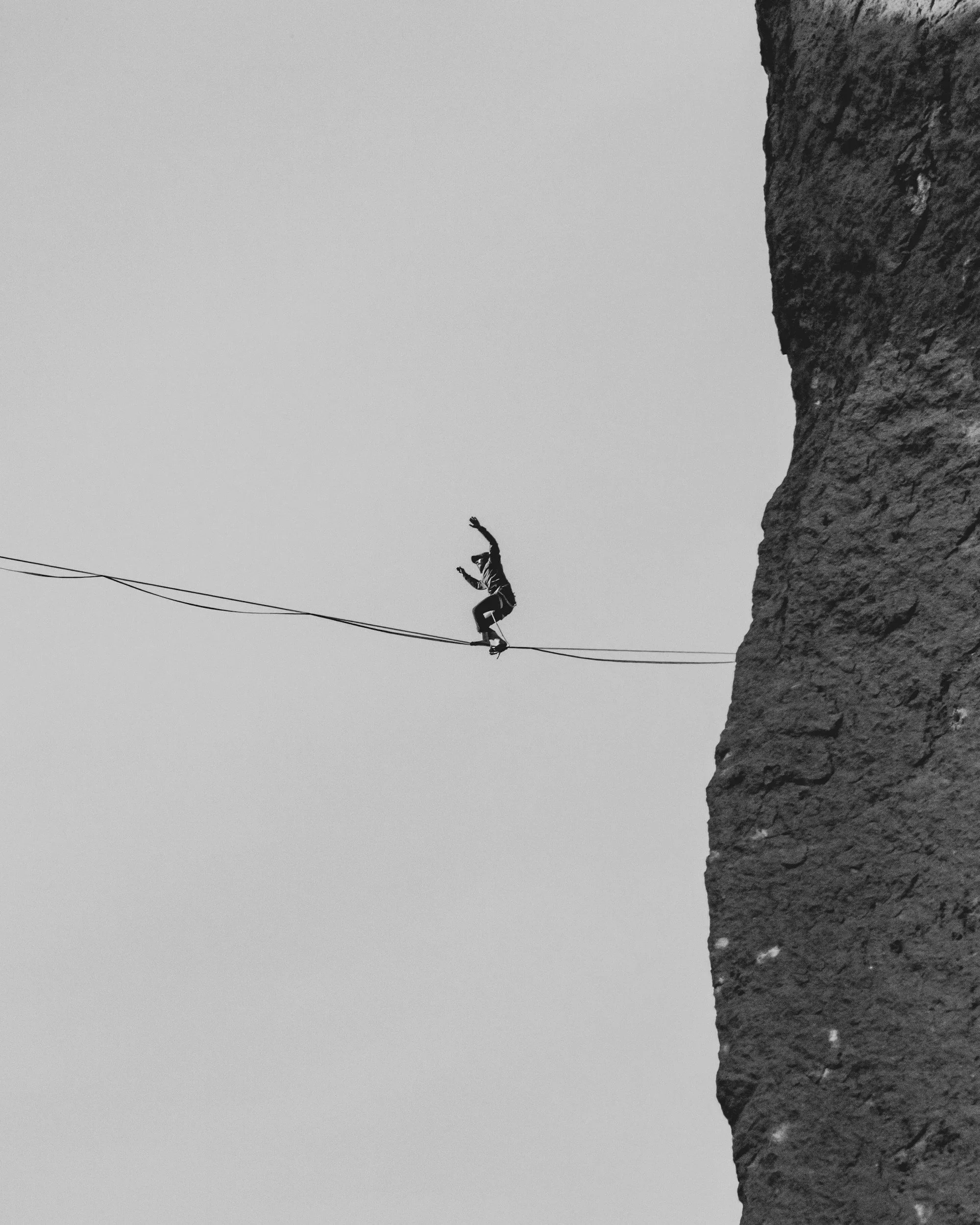
When Aliveness Feels Unstable (And Why That’s Not a Step Back)
If you feel more overwhelmed or uncertain after becoming more self-aware, you’re not going backwards. This article explains why aliveness returns before stability, how the nervous system transitions out of numbness, and why this phase is essential for real change. A grounded guide to navigating the space between awareness and clarity without rushing yourself.

Why You Can’t Choose What You Want (Because Choosing Means Being Seen)
Struggling to choose what you want may not be about clarity. Learn how fear of visibility and nervous system protection drive indecision — and how to move forward.

Why You Keep Ending Up in the Same Dynamic (At Work, With Friends, In Relationships)
If you often find yourself playing the same role in relationships — the mediator, the fixer, the one who carries everything — it may not be coincidence. This article explores why relational patterns repeat, how the nervous system gravitates toward familiar roles, and how slowing down the moment where the role begins allows new choices to emerge.

From Shutdown to Staying: Rebuilding Capacity After Conflict
If you go numb during conflict, “just staying present” isn’t the answer. This article explores how to rebuild emotional capacity, widen your window of tolerance, and remain present without shutting down. A grounded, somatic guide to moving from freeze to repair — and rebuilding self-trust under relational pressure.
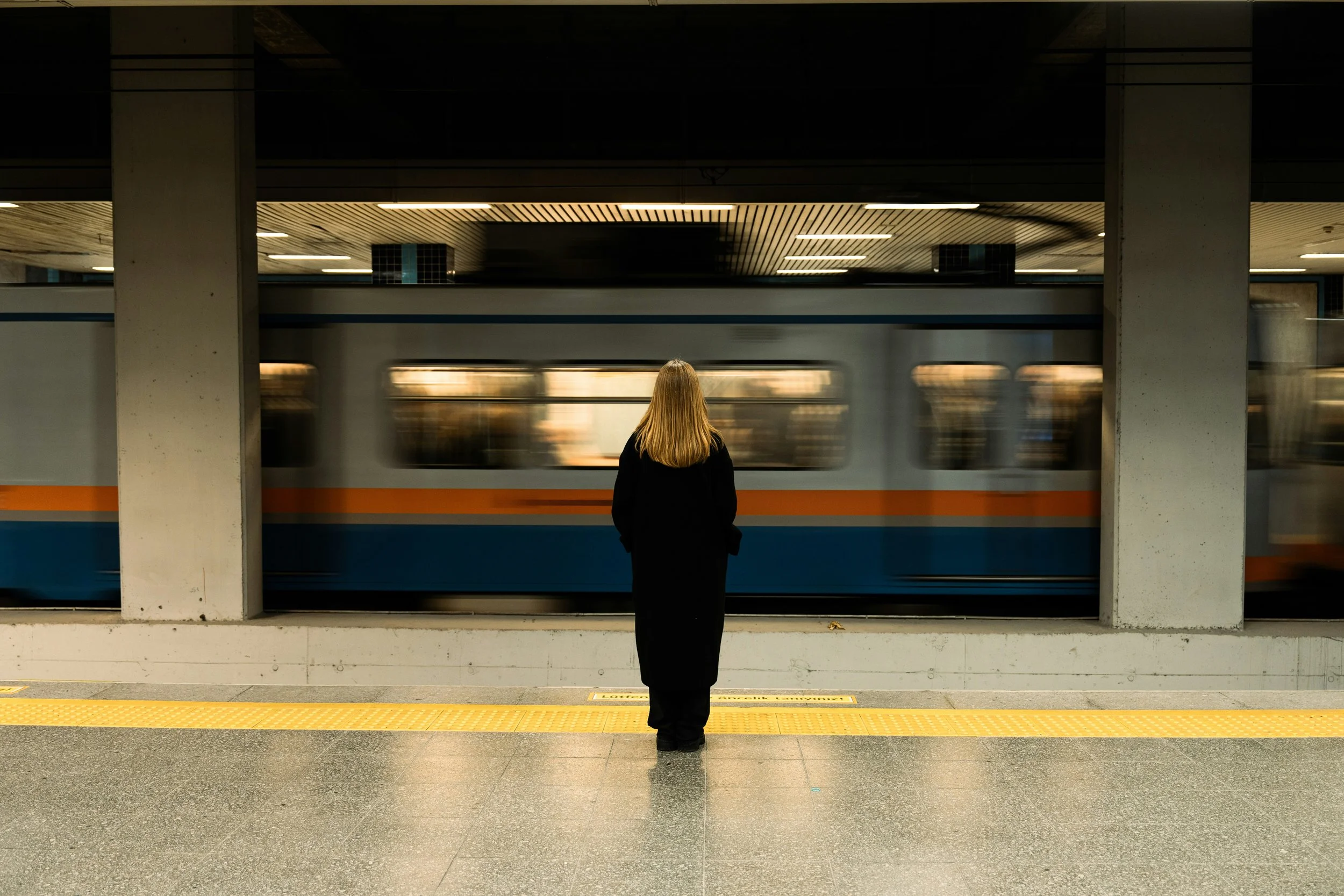
Why You Go Numb After Every Fight (And What That’s Costing You)
If you go quiet, detached, or emotionally flat after conflict, you may be experiencing a freeze response — not calm. This article explores why shutdown happens after fights, how it affects intimacy and self-trust, and how to build the capacity to stay present without escalating. A grounded, trauma-informed guide to repairing conflict without disappearing.

Desire, Pleasure & Meaning: How Aliveness Returns
After grief or emotional numbness, aliveness doesn’t return as intensity — it returns as desire. This article explores how pleasure, meaning, and embodied presence re-emerge when the nervous system feels safe again. A grounded, trauma-informed reflection on rebuilding aliveness without forcing transformation.

The Grief of Waking Up: What Happens When You Start to Feel Again
When people begin to feel again after long periods of coping or numbness, grief often follows. This article explores the grief of waking up — why it appears during healing, why it’s often wordless, and why it’s a sign of integration rather than regression. A grounded, compassionate guide for anyone surprised by grief on the path to presence.

The Subtle Difference Between Flexibility and Self-Erasure
Flexibility and self-erasure can look identical on the surface — but feel very different inside. This article explores how emotionally intelligent people lose themselves through over-adaptation, how the body signals the difference early, and how to stay flexible without disappearing. A grounded, relational guide to protecting self-trust while staying connected.

When Being ‘Easy’ Costs You Your Voice
Being “easy” is often praised — but it can quietly cost you your voice. This article explores how people-pleasing and over-adaptation silence authentic expression, how the body carries unspoken truth, and how to reclaim your voice without breaking connection. A grounded guide to returning to yourself without disappearing.

The Hidden Cost of Being the Reliable One: Organizational Self-Abandonment
Being reliable at work is often praised — but it can quietly lead to self-abandonment. This article explores how organisations reward overfunctioning, why high performers burn out first, and what sustainable reliability actually requires. A grounded look at leadership, emotional load, and presence as an organisational capacity — not a personal flaw.
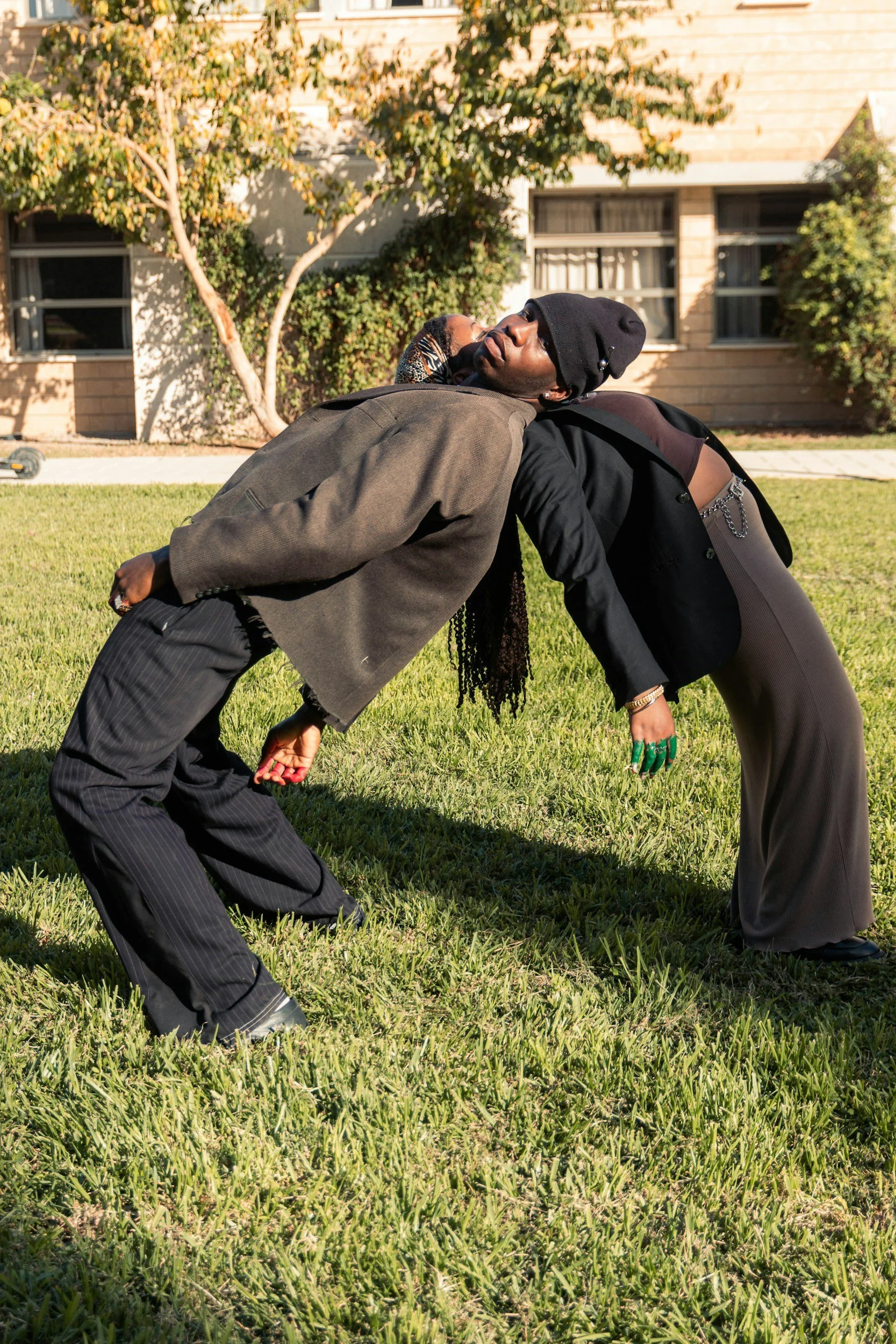
Presence Is Not Mindfulness
Mindfulness and presence are often confused — but they’re not the same. This article explores why mindfulness builds awareness while presence builds capacity, how nervous system safety shapes real connection, and why many people feel calm yet disconnected. A grounded, relational guide to understanding presence as something you inhabit — not something you practise.

The Difference Between Self-Abandonment and Self-Protection
Self-abandonment and self-protection can look similar on the outside — but feel very different on the inside. This article explores how to tell the difference, why self-abandonment develops as a survival strategy, and how to build the nervous system capacity to protect yourself without disappearing. A grounded guide to staying connected to yourself in relationship.